The Science of Parkour: What We See When Pupils Start to Focus
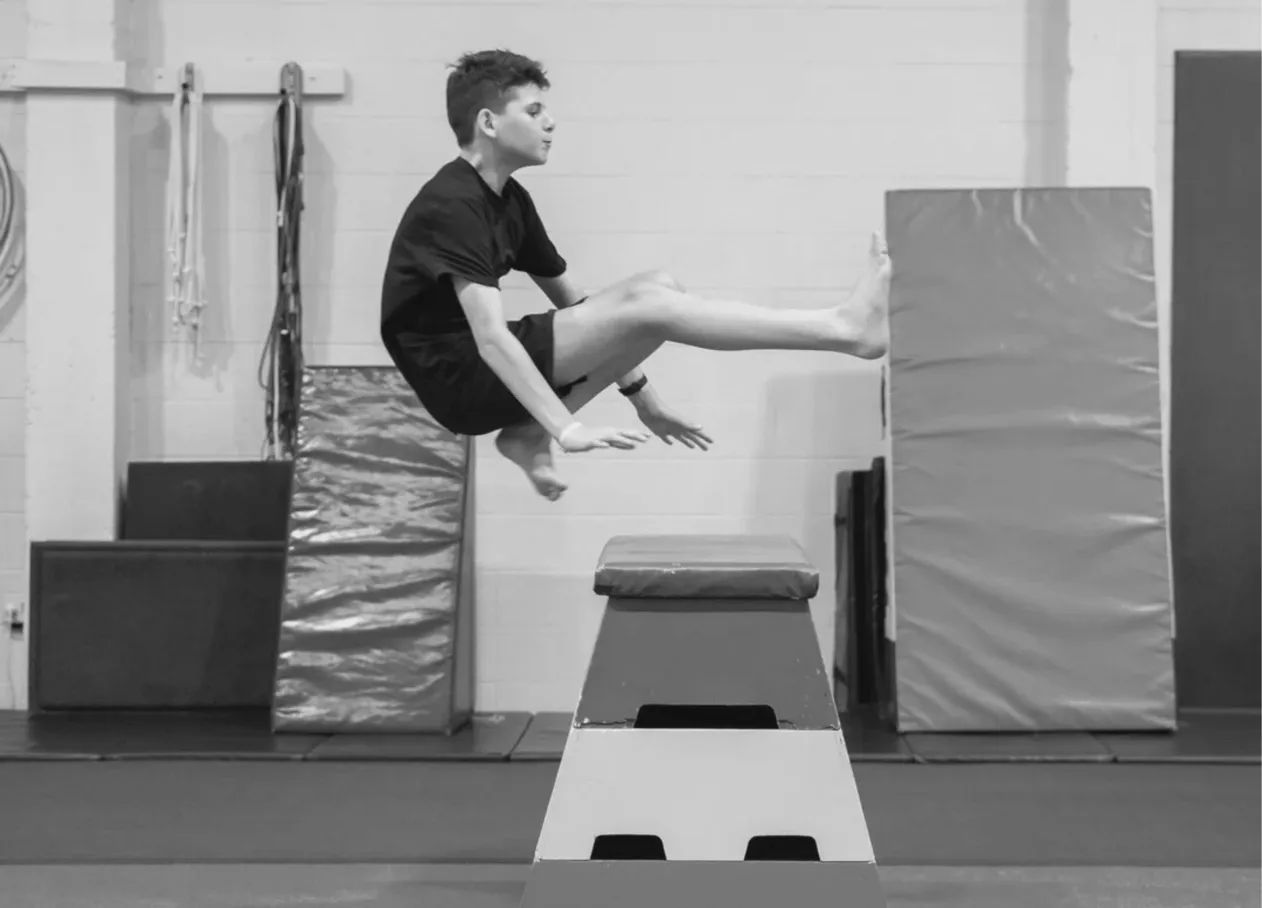
There is a moment in a good session where the noise drops.
Not because the room goes silent, but because the energy changes shape.
You can see it in pupils who usually rush. They slow down. You can see it in pupils who usually withdraw. They lean in. You can see it in pupils who usually clash. They start taking turns without being told twice.
This is the part of Parkour that does not get talked about enough. Not the flips. The focus.
Context
On Thursday 16 January 2026 we hosted Parkour sessions at Raeburn School across the day, working with around 110 pupils. Nathan Thomason, the PE lead, described what he saw in a way that matched what we felt in the room.
From a PE lead perspective, the sessions were very well planned, clearly structured, and delivered in a way that kept all pupils actively engaged from start to finish. Nathan Thomason, PE Lead, Raeburn School
When people talk about the science of Parkour in schools, this is where it starts. Engagement. Structure. Appropriate challenge. Safety.
Why Parkour changes the room
Parkour asks young people to solve problems with their body. Where do my feet go. Where do my hands go. How do I land quietly. How do I move with control. How do I wait. How do I try again.
Those are not just physical questions. They are attention and decision making in motion.
I am careful with claims here. We are not a clinic. We are not diagnosing anyone. We are observing what happens when movement is taught with purpose.
And what we see, over and over, is that cognitively rich movement can help pupils organise themselves. Not perfectly. Not forever. But enough to change how the next part of the day feels.
What inclusion looks like in practice
One of the strongest aspects of the delivery was the variety within the sessions and the freedom pupils were given to access the course and equipment at a level that was appropriate to their own ability. This allowed every pupil to feel successful while still being challenged. Nathan Thomason
That choice is not a free for all. It is guided choice. It gives pupils ownership without removing boundaries.
Pupils who needed more support were guided carefully and encouraged at their own pace, while higher achieving pupils were stretched appropriately through progressions and challenges that pushed their confidence, agility, balance and coordination further. Nathan Thomason
The bigger meaning
This is why we describe Parkour as movement education. It gives schools an inclusive way to develop physical literacy, confidence, and focus, while keeping the atmosphere safe and positive.
The atmosphere remained positive, focused and safe throughout, with pupils showing high levels of motivation and enjoyment.
When a school day is full of sitting and listening, that shift is not small. It carries into the next lesson.
This is why our schools programme is structured around these principles. We are building a growing library of real school delivery stories. Read more about how parkour works in schools, or join our mailing list to see the impact in person.