Parkour for SEN and SEMH Pupils: What We Have Learned
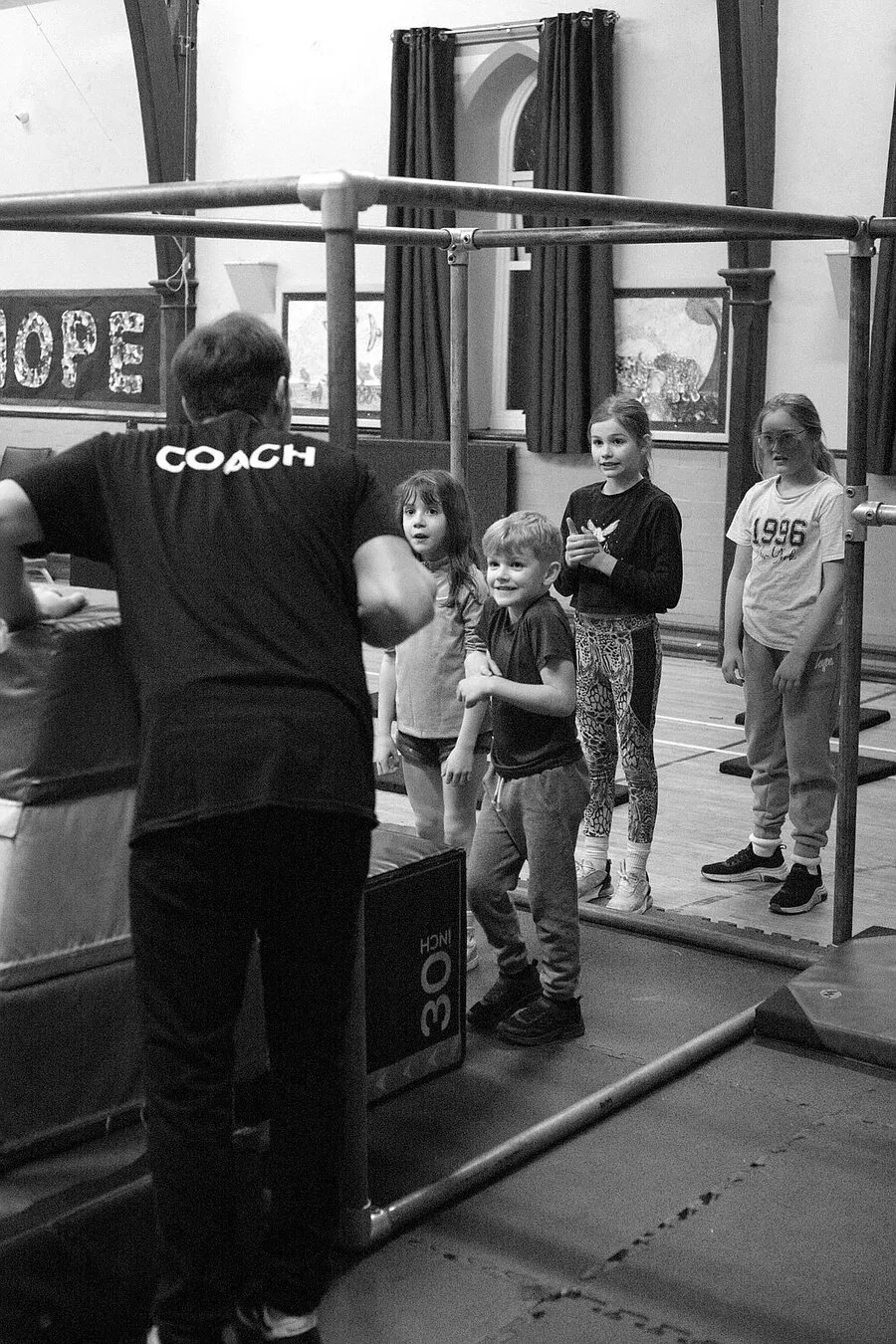
A lot of what we do at Movement Matters sits in the space between sport and support. Nowhere is that more obvious than in the sessions we run for young people with SEN and SEMH profiles. Autism. ADHD. Anxiety. Attachment difficulties. Young people who have been told, in various ways, that physical activity is not for them.
Parkour, done well, tends to disagree with that conclusion.
Why Parkour works differently
Traditional team sports ask young people to perform in front of others, respond quickly to social cues, manage unpredictable interactions, and tolerate failure publicly. For a pupil with ADHD or ASD, that is a lot of simultaneous demands before the sport has even begun.
Parkour removes most of those barriers. The challenge is between you and the obstacle. The pace is set by the individual. There is no ball to chase, no position to hold, no team waiting on your decision. You move when you are ready.
That self-directed quality is not a compromise. It is a feature. It is why so many young people who have genuinely struggled in PE find something different in a Parkour session.
What we see in practice
Within a few sessions, we typically see a shift. Pupils who arrived rigid and resistant start to soften. Not because we pushed them, but because the environment did not push back in the way they expected.
We see pupils with autism engage deeply with the problem-solving aspect of movement. Parkour rewards the kind of detail-focused thinking that is often penalised in other settings. Figuring out exactly how to place your foot, reading the surface, calculating a safe distance, these are strengths, not deficits.
For pupils with ADHD, the physical demand regulates. The session gives the body something to do with its energy that is purposeful and progressing. There is a clear structure (warm up, skills work, challenge circuits, cool down) but within that structure there is enormous freedom. Pupils can move constantly, which is often what they need.
For young people with anxiety or SEMH profiles, Parkour offers something rarer: a sequence of small, achievable wins. Every session contains moments where a pupil does something they could not do before. Those moments matter. They stack up. They start to become part of how a young person understands themselves.
Inclusive coaching in practice
None of this happens automatically. Inclusive Parkour delivery requires coaches who understand how to differentiate, how to read dysregulation, and how to build trust before building challenge.
Our coaches hold enhanced DBS checks, safeguarding training, and specific knowledge of how to adapt sessions for mixed ability and SEND groups. We do not apply a single approach across all pupils. We read the room, adjust the environment, and meet each young person where they are on a given day.
That might mean one pupil works on a ground-level balance challenge while another attempts a more complex vault progression. The group is in the same session, but the experience is personalised.
What schools tell us
Feedback from schools consistently highlights the same outcomes. Improved focus in the classroom after sessions. Reduced incidents during and after delivery. Pupils who had been disengaged from PE returning willingly. Teaching staff describing a visible change in confidence.
Those outcomes are not guaranteed. They depend on consistent, quality delivery and a school that supports the programme. But when those conditions are in place, we see Parkour doing things that traditional PE often cannot.
If your school supports pupils with SEND or SEMH profiles and you want to explore what an inclusive movement programme could look like, get in touch with the team. You can also find out more about our wider schools programme or our community sessions in Wirral.