Why After-School Clubs Build More Than Fitness
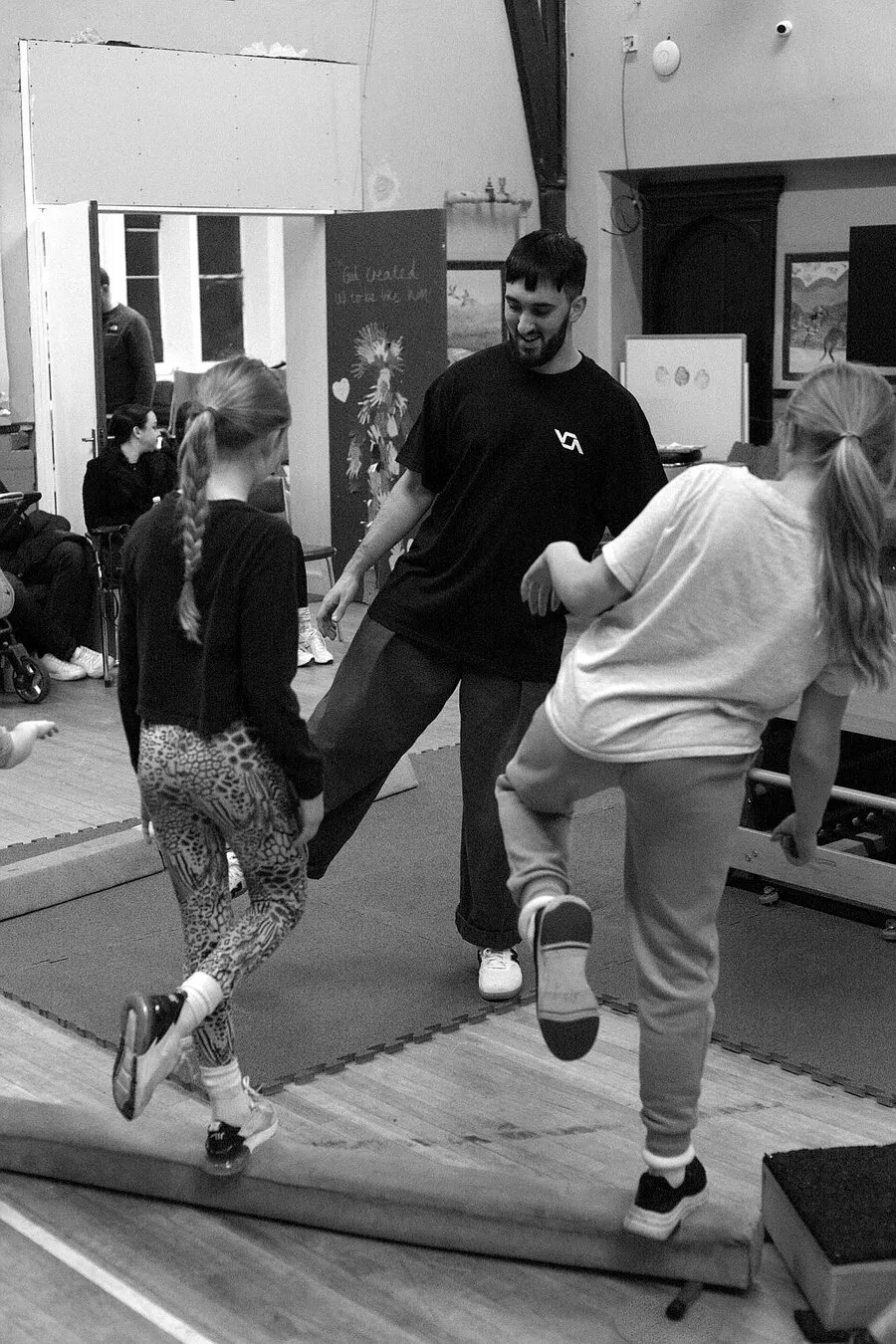
When schools talk about after-school clubs, the conversation often centres on physical activity levels. Government targets. Minutes per week. Obesity statistics. Those things matter, but they are not why the pupils in our after-school sessions keep coming back.
They come back because something good is happening. Something that is harder to measure but not hard to see.
Belonging happens in optional spaces
Curriculum PE is compulsory. After-school clubs are not. That distinction matters more than it might seem. When a young person chooses to stay behind at the end of the school day and give up an hour of their time, they are signalling something. They want to be there.
That voluntary engagement changes the dynamic entirely. The group that forms in an after-school Parkour club is self-selected around a shared interest. Pupils who might not interact during the school day find common ground. Friendships form across year groups and social circles. The club becomes a place where they belong, not just a place where they exercise.
Progress that belongs to them
School is often experienced as a series of assessments where progress belongs to someone else. Grades are for records, targets are set by adults, and achievement is defined externally. After-school clubs interrupt that pattern.
In Parkour, progress is visible and personal. A landing that was shaky last week is clean this week. A vault that felt impossible is now approachable. The young person owns that progress because they did the work and they can feel the difference. Nobody graded it. Nobody had to tell them they improved. They know.
That kind of intrinsic motivation is exactly what we want young people to develop around physical activity. It is what makes the difference between someone who exercises as a child and someone who moves throughout their life.
The transition out of school
One of the patterns we see in after-school clubs is older pupils (Year 5 and 6) who are heading into secondary school. That transition is a significant one, socially and physically. Many young people drop out of sport and physical activity during this period.
After-school Parkour gives them something portable. The skills they develop, the confidence they build, the relationship with their own physical capability, those things travel with them. They do not need a team or a pitch or a club affiliation. They can move anywhere.
We also run community sessions on Friday evenings at Hope Church in Hoylake, which gives pupils who have come through school clubs a route to continue. The journey from after-school club to community programme to, potentially, coaching and leadership is one we actively support.
What schools can do
Running an after-school Parkour club does not require specialist facilities or trained PE staff. We bring qualified coaches, all equipment, and a structured programme. Schools provide the space and the pupils. We handle the rest.
Clubs run weekly or fortnightly depending on what works for the school. They can be targeted at specific year groups, open to all, or focused on pupils who would benefit most from additional physical activity and social development.
If your school is looking to add a genuinely different after-school offer, get in touch and we can talk through what would work. You can also read more about our after-school clubs programme or explore our broader schools offer.